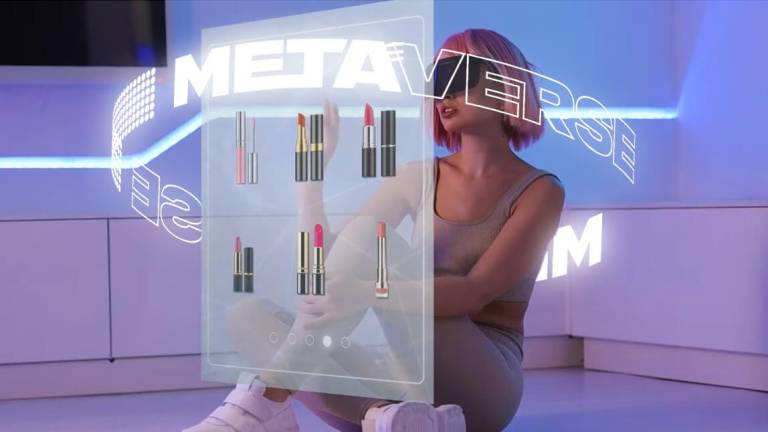
Imagine snapping a photo of a sunset and turning its colors into eyeshadow in minutes. Or scanning your face to get a foundation that matches your skin tone perfectly. This isn’t sci-fi—it’s the reality of 3D-printed makeup, a game-changing trend that’s hitting the consumer market. From personalized lipsticks to eco-friendly packaging, 3D printing is shaking up the beauty world. Let’s dive into what this technology is, why it’s so exciting, and how it’s changing the way we think about makeup.

What Is 3D-Printed Makeup?
3D-printed makeup uses advanced printers to create cosmetics like lipsticks, eyeshadows, foundations, and even mascara brushes. These printers work by layering materials—think pigments, powders, or creams—to build a product from scratch. You start with a digital design, like a color code or a specific shape, and the printer brings it to life.
Unlike traditional makeup, which is mass-produced in factories, 3D-printed makeup can be made at home or in stores. Devices like the Mink 3D Makeup Printer let you pick any color from a photo and print it onto a sheet in seconds. Other systems, like the MODA by Foreo, scan your face and apply makeup directly. It’s like having a personal makeup artist and factory in one
Why 3D-Printed Makeup Is Taking Off
This trend is blowing up for a reason. People love the idea of makeup that’s made just for them, and 3D printing delivers. Here’s why it’s catching on.
1. Total Customization
Ever struggled to find the perfect foundation shade? 3D printing solves that. Devices like Adorn’s 3D Makeup Pen scan your skin and mix a foundation that matches exactly, with up to 75,000 shade options. You can also tweak formulas to be vegan, hypoallergenic, or suited for sensitive skin. It’s makeup that fits you, not a one-size-fits-all product.
2. Instant Gratification
With 3D printing, you don’t have to wait for a store to stock your favorite shade. The Mink printer, for example, lets you pick a color from an app and print eyeshadow or blush in 15 seconds. Want to recreate a celebrity’s red carpet look? Just upload the image, and your printer does the rest. It’s fast and fun.
3. Eco-Friendly Vibes
The beauty industry has a waste problem—think plastic compacts and excess packaging. 3D printing cuts this down by making products on demand, so there’s no overproduction. Brands like Yoobi use recycled materials for 3D-printed makeup brushes, and companies like Quadpack create sustainable packaging. It’s a win for the planet and your makeup bag.
4. Budget-Friendly in the Long Run
A 3D makeup printer might cost $300 upfront (like the Mink), but it can save money over time. Instead of buying new lipsticks or palettes, you print what you need with refillable cartridges. Plus, you’re not wasting cash on shades that don’t work for you.
5. Inclusive Beauty
Traditional makeup brands often skimp on shades for darker or very light skin tones. 3D printing makes it easy to create products for everyone. By customizing shades and formulas, this tech is breaking down barriers and making beauty more inclusive.
How 3D-Printed Makeup Works
So, how does this magic happen? It’s simpler than you might think. Here’s the basic process:
- Pick Your Design: Use an app to choose a color, shade, or look. You might upload a photo, select a color code, or scan your face for a custom match.
- Load the Printer: Insert a cartridge with FDA-approved cosmetic ingredients, like pigments or powders. Some printers use a substrate (a base material) to hold the makeup.
- Print It: The printer layers the materials to create your product. For example, the Mink prints makeup onto a sheet, while Chanel’s 3D-printed mascara brushes are made with laser precision.
- Apply It: Depending on the system, you either apply the printed makeup with a brush or let a device like MODA spray it directly onto your face.
Some printers, like those from Luxe, even let you create custom shapes, like a lipstick bullet in a unique design. It’s like crafting your own makeup masterpiece.
The Big Players in 3D-Printed Makeup
This trend didn’t just pop up out of nowhere. A few innovative brands and inventors are leading the charge.
Mink Beauty
Mink, created by Harvard grad Grace Choi in 2014, was the first 3D makeup printer to make waves. It’s a portable device that prints eyeshadows, blushes, and more from any image you choose. By 2020, it was available for pre-order, and it’s now being tested in beauty stores for wider use. Mink’s goal? To give you control over your makeup and make it sustainable for artists who need one-off shades.
Foreo MODA
Foreo’s MODA takes things to another level. This device scans your face with a biometric lens, maps your features, and “prints” makeup directly onto your skin in 30 seconds. It’s like a digital makeup artist, applying primer, foundation, and color cosmetics with 2,000 tiny nozzles. It’s still in development, but it’s got people buzzing.
Chanel
Even luxury brands are jumping in. Chanel’s Le Volume Révolution mascara, launched in 2019, uses a 3D-printed brush with micro-cavities for smooth, clump-free application. It’s a bestseller in Europe, proving 3D printing can elevate high-end products.
Neutrogena
Neutrogena is using 3D printing for skincare, but they’re also dipping into makeup. Their MaskiD face masks are printed to fit your face perfectly, using an app to analyze your skin needs. This tech could soon extend to custom foundations or blushes.
Adorn
Adorn’s 3D Makeup Pen is a handheld device that scans your skin and mixes foundation on the spot. It’s perfect for people who can’t find their shade in stores and want a quick, personalized fix.
How 3D Printing Is Changing the Beauty Industry
This tech isn’t just about cool gadgets—it’s reshaping how makeup is made, sold, and used. Here’s how.
Faster Product Development
Brands like LUSH and Quadpack use 3D printing to prototype packaging and products quickly. Instead of waiting months for molds, they can test new designs in days. This means fresh ideas hit the market faster.
Less Animal Testing
Cosmetic companies like L’Oréal are printing 3D human skin to test products, cutting down on animal testing. This is a big step toward cruelty-free beauty and safer products.
Retail Revolution
Imagine walking into a store and printing your makeup on the spot. Interactive kiosks with 3D printers are popping up, letting you design and create products in real time. It’s a fun, hands-on way to shop.
Sustainable Production
By printing only what’s needed, 3D printing reduces waste. Plus, brands are exploring biodegradable materials and refillable systems, making beauty greener.
New Career Opportunities
3D printing is creating jobs for tech experts, designers, and even cosmetologists who can advise on custom formulas. It’s a blend of beauty and tech that’s opening new doors.
Challenges to Overcome
3D-printed makeup isn’t perfect yet. There are a few hurdles to clear before it’s in every bathroom.
1. Safety Concerns
Printing makeup at home raises questions about ingredient safety. While brands like Mink use FDA-approved materials, there’s no universal standard for 3D-printed cosmetics. Allergic reactions or low-quality pigments could be a risk without proper regulation.
2. Technical Limits
Creating long-wear formulas or complex textures (like smudge-proof lipstick) is tricky with current printers. Colors are easier to print, but high-performance makeup needs more work.
3. High Upfront Costs
A 3D makeup printer can cost hundreds of dollars, which might scare off some buyers. While it saves money long-term, the initial price is a barrier.
4. Limited Awareness
Not everyone knows about 3D-printed makeup yet. Brands need to educate consumers through tutorials, influencer partnerships, and in-store demos to build trust and excitement.
How to Get Started with 3D-Printed Makeup
Ready to try this trend? Here’s how to dip your toes in.
1. Research Printers
Start with consumer-friendly options like the Mink, which is designed for home use. Check reviews and demos to see if it fits your needs. If you’re not ready to buy, look for stores or salons offering 3D printing services.
2. Download Apps
Many printers, like Mink or MODA, come with apps that let you customize your makeup. Play around with colors and looks to get comfortable with the tech.
3. Start Simple
Begin with easy products like eyeshadow or blush. They’re forgiving and fun to experiment with. Once you’re confident, try custom lipsticks or foundations.
4. Check Ingredients
Make sure your printer uses safe, cosmetic-grade materials. Stick to reputable brands to avoid skin irritation.
5. Have Fun
The best part of 3D-printed makeup is the creativity. Print a bold blue eyeshadow inspired by the ocean or a lipstick that matches your favorite dress. It’s all about expressing yourself.
The Future of 3D-Printed Makeup
This tech is just getting started. In the next decade, experts predict 3D makeup printers could be as common as coffee makers. Here’s what’s on the horizon:
- AI Integration: Artificial intelligence could analyze your skin and recommend custom products, making personalization even easier.
- At-Home Devices: More brands are developing affordable, user-friendly printers for everyday use.
- Pro-Grade Tools: Makeup artists might use 3D printers to create unique looks for clients, from runway shows to weddings.
- Skincare Crossovers: Companies like Neutrogena and BASF are already printing custom face masks. Soon, you might print personalized serums or moisturizers.
- Global Reach: As costs drop, 3D-printed makeup could become accessible worldwide, especially in areas with limited beauty stores.
Why 3D-Printed Makeup Matters
3D-printed makeup is more than a cool gadget—it’s a shift toward a more personal, sustainable, and inclusive beauty industry. It gives you the power to create exactly what you want, when you want it. No more settling for “close enough” shades or wasting money on products that don’t work. Plus, it’s helping brands cut waste and rethink how makeup is made.
Whether you’re a beauty junkie or just curious, 3D-printed makeup is worth watching. It’s proof that technology and creativity can team up to make everyday life a little more colorful. So, next time you see a gorgeous shade in nature or on your phone, imagine turning it into makeup. With 3D printing, that dream is now reality.
About the Author